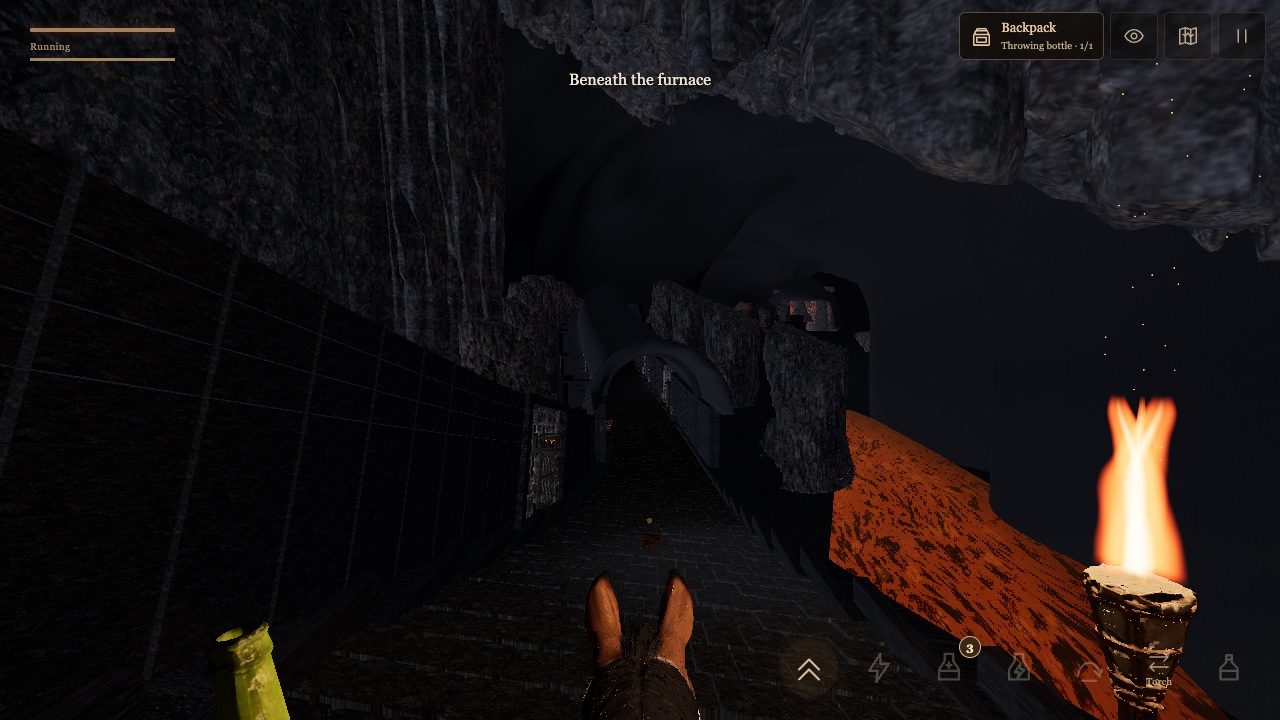
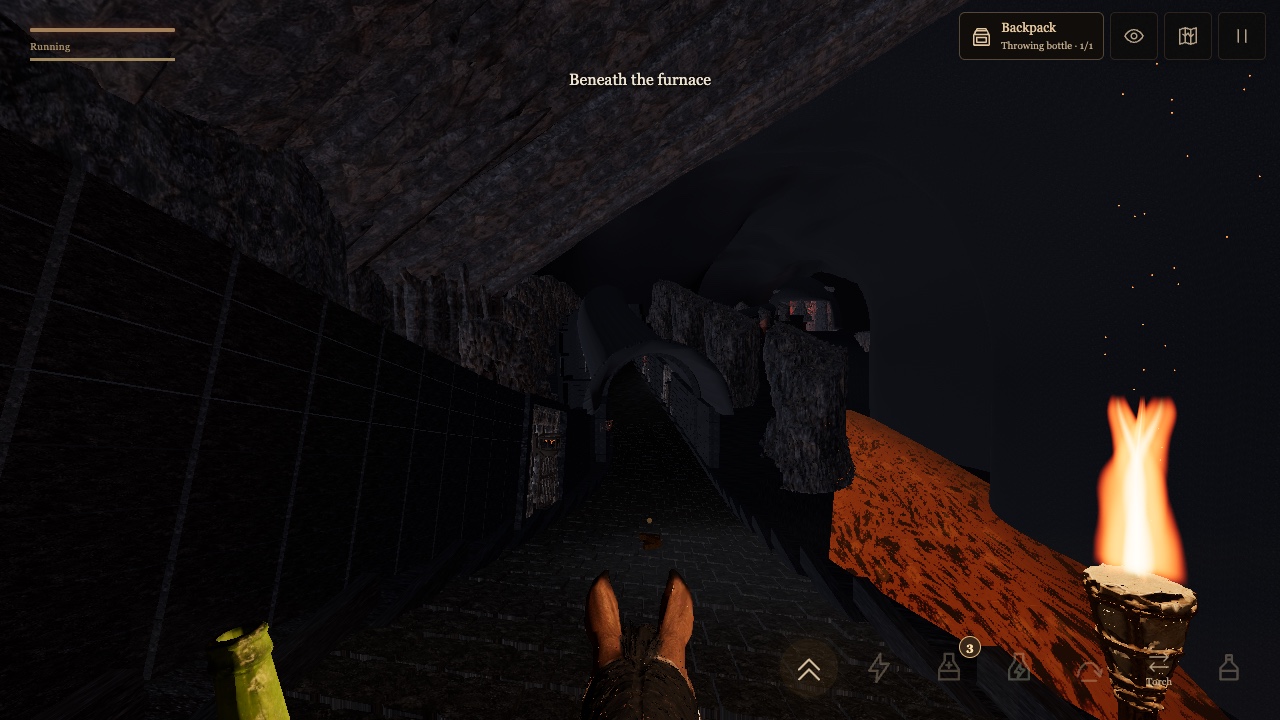
The early tests, the comparisons, and the small decisions that make a place feel more convincing.
We’re getting better as we go. There’s still work to do.
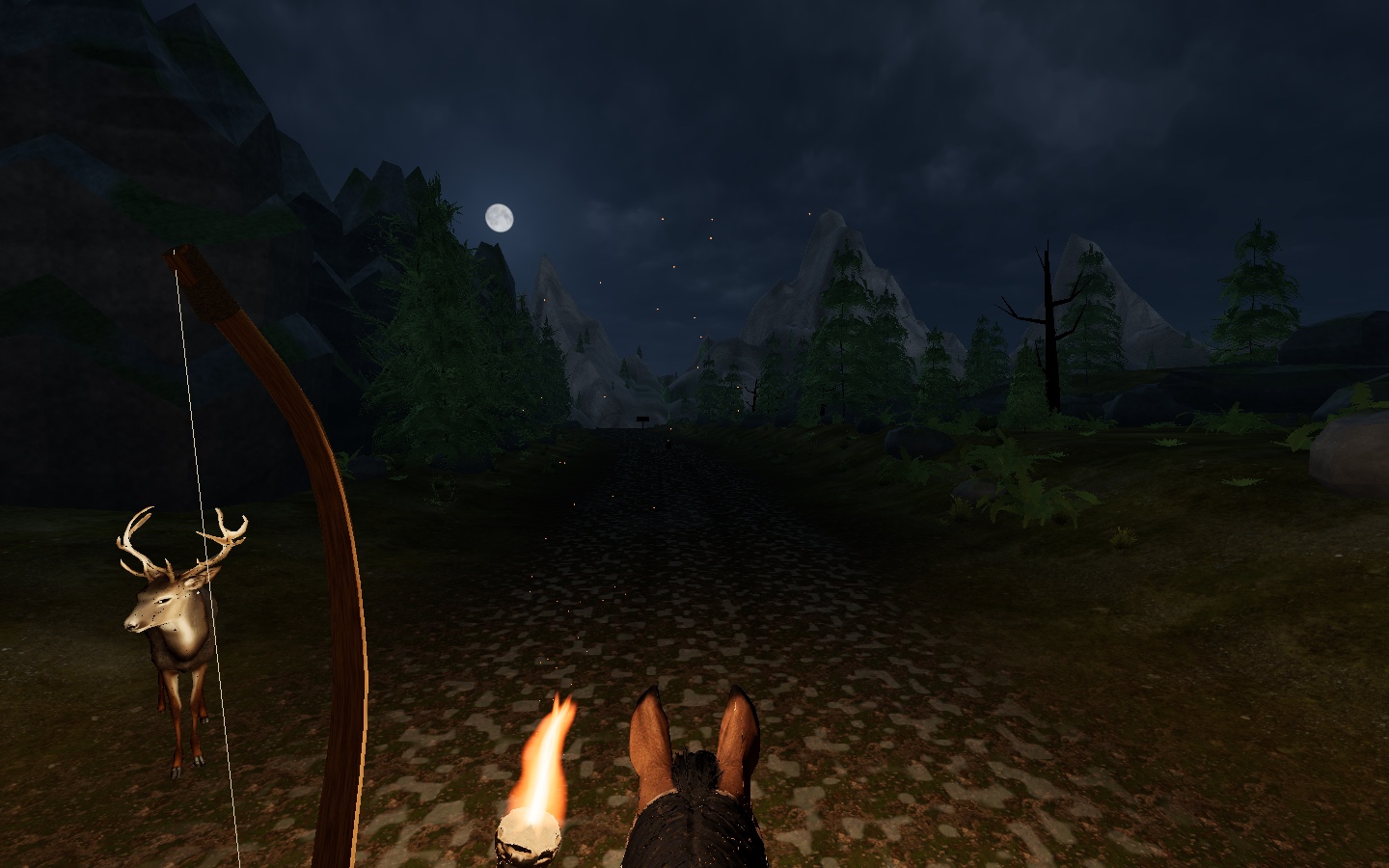
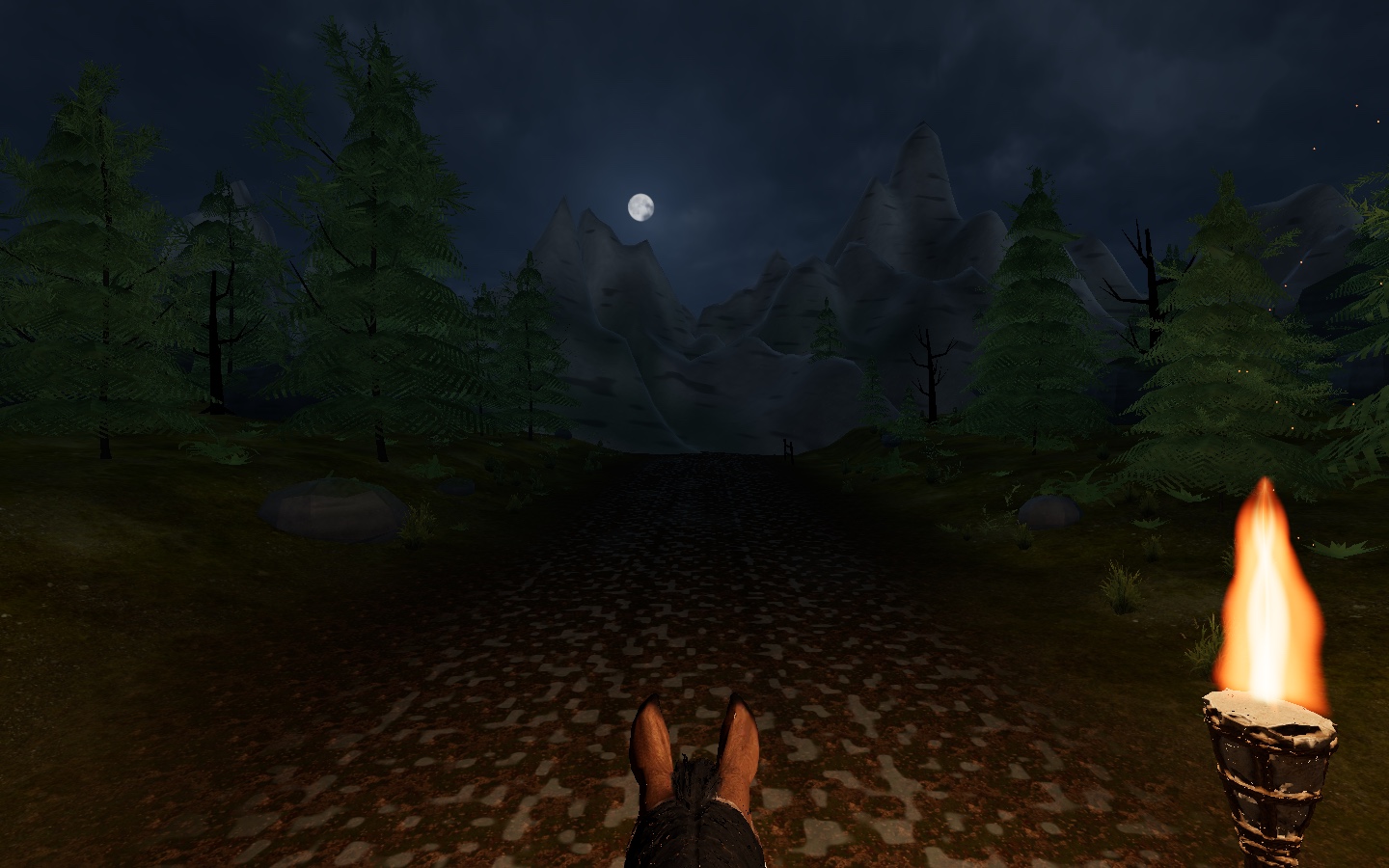
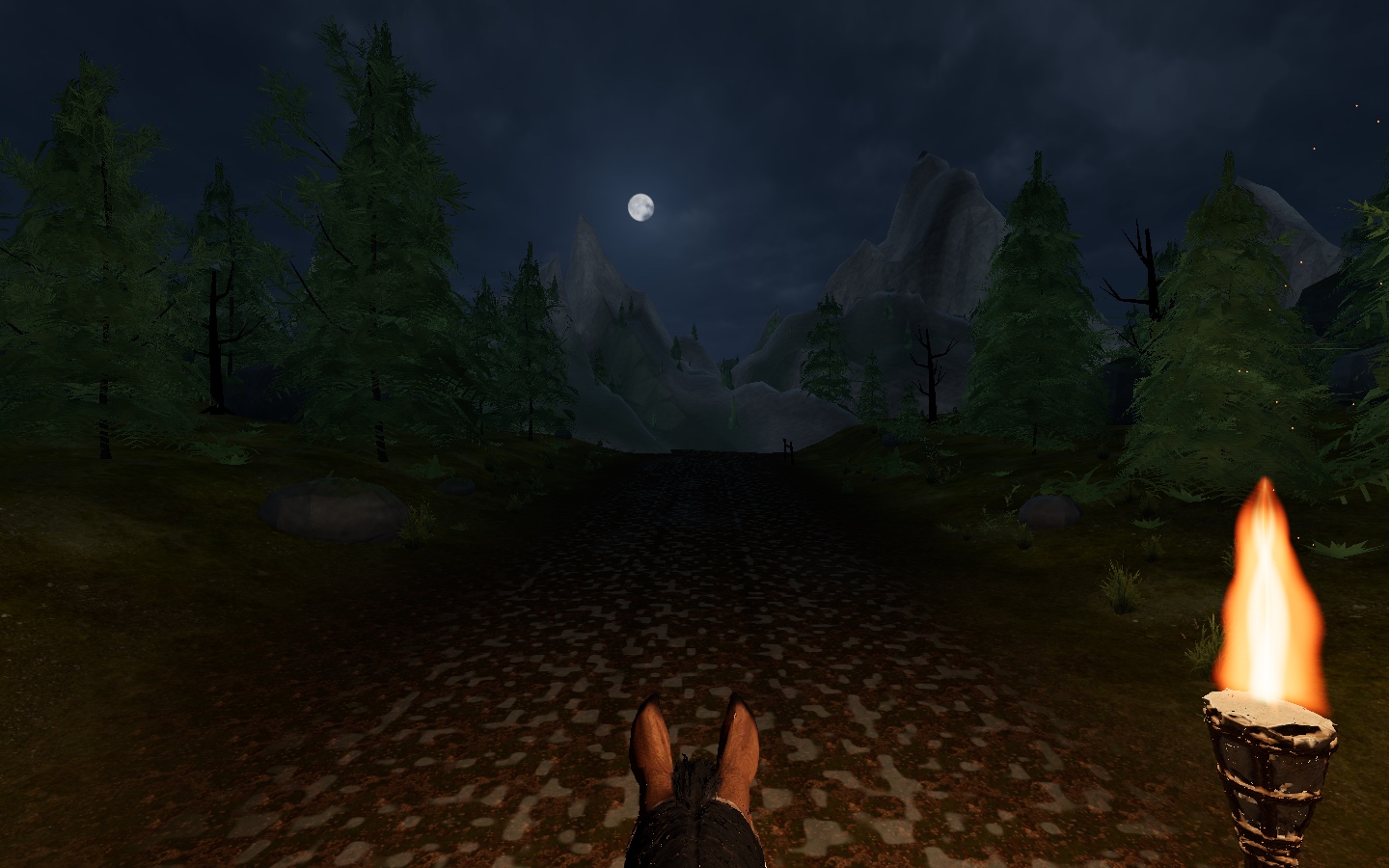
Mountain pass · archived v0.5.20 game capture, October 11.
October 8–15, 2026 · Seven selected chapters, grouped by the recorded work. Same-day chapters are not a time sheet. Every image is an actual game render; open one to look closer. Viewpoints and review states are identified below.
Oct 8–901
First, make the place readable.
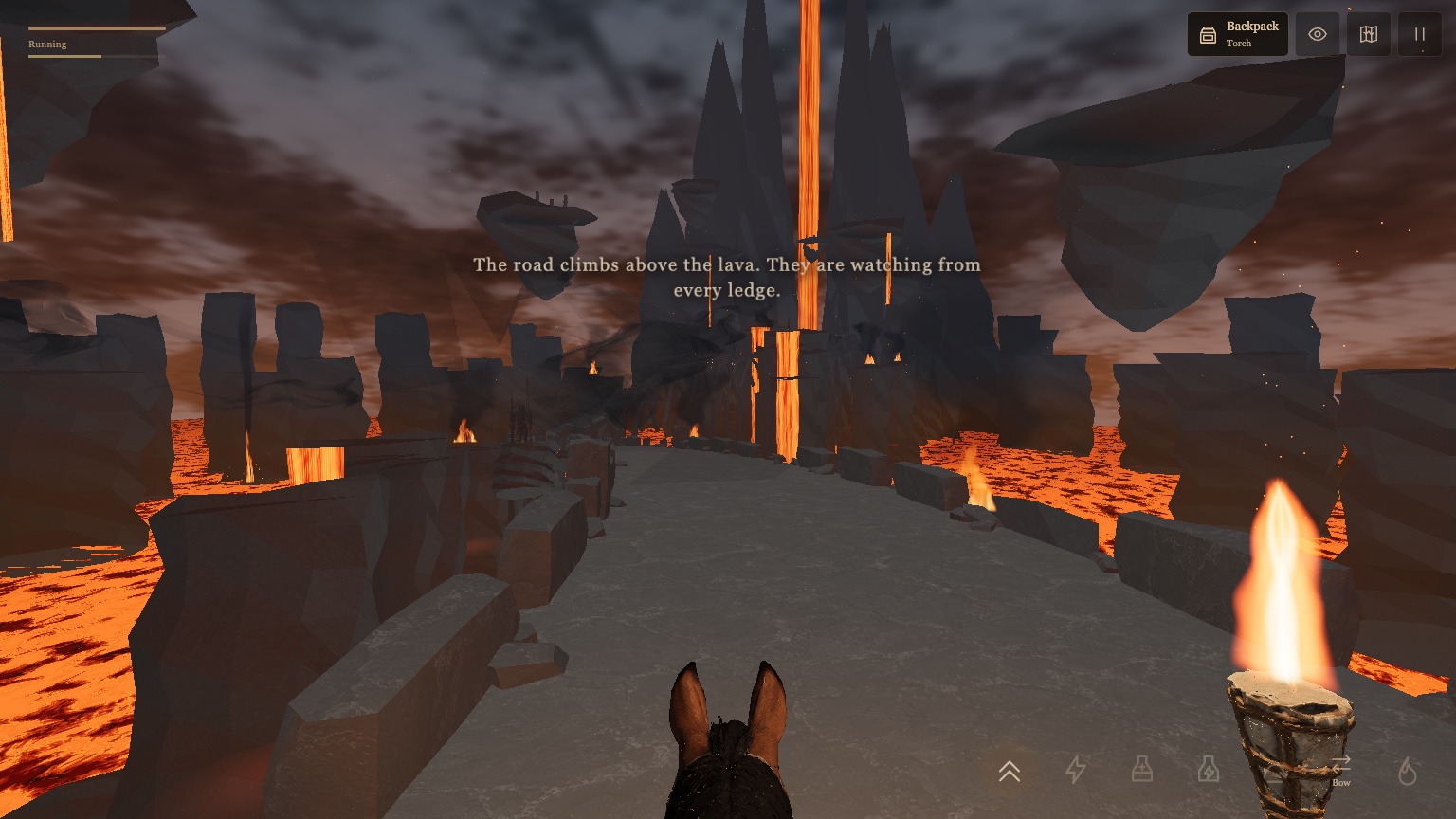
The early Rift established a road, lava ravines, bridges and distant islands. The shapes communicated the idea, but the rockwork and creatures still looked simplified. It gave us a real scene to play, judge and improve.
Early Rift · local v0.5.7Open image to inspect the detail ↗
A first scene gives the next pass something concrete to work on.
About these captures
Archived local v0.5.7 game render from the October 8–9 Rift work. It is a starting-point image, not a matched before/after pair or a screenshot of today’s build. The old review explicitly left creature anatomy, fine rock detail and atmospheric fidelity open.
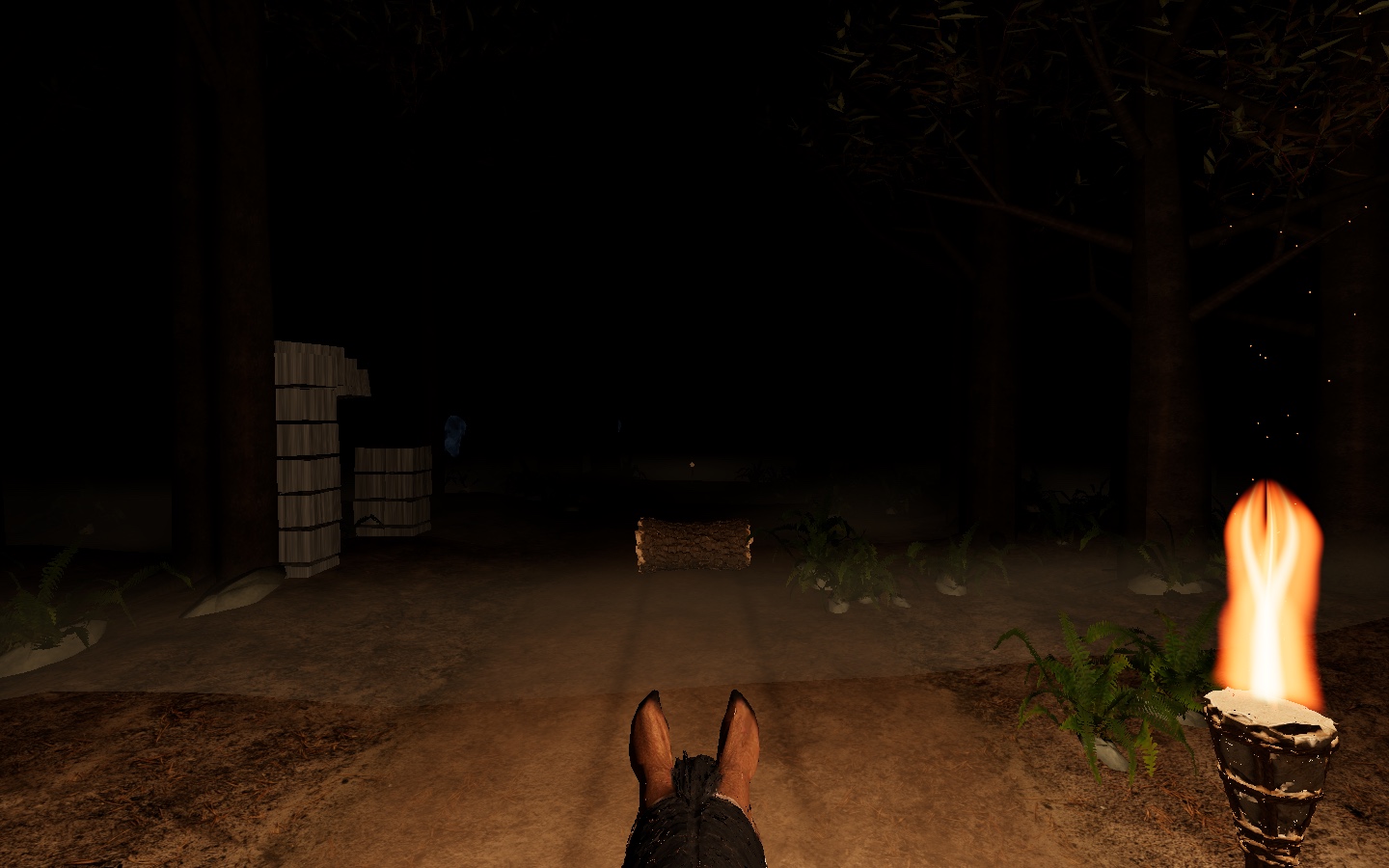
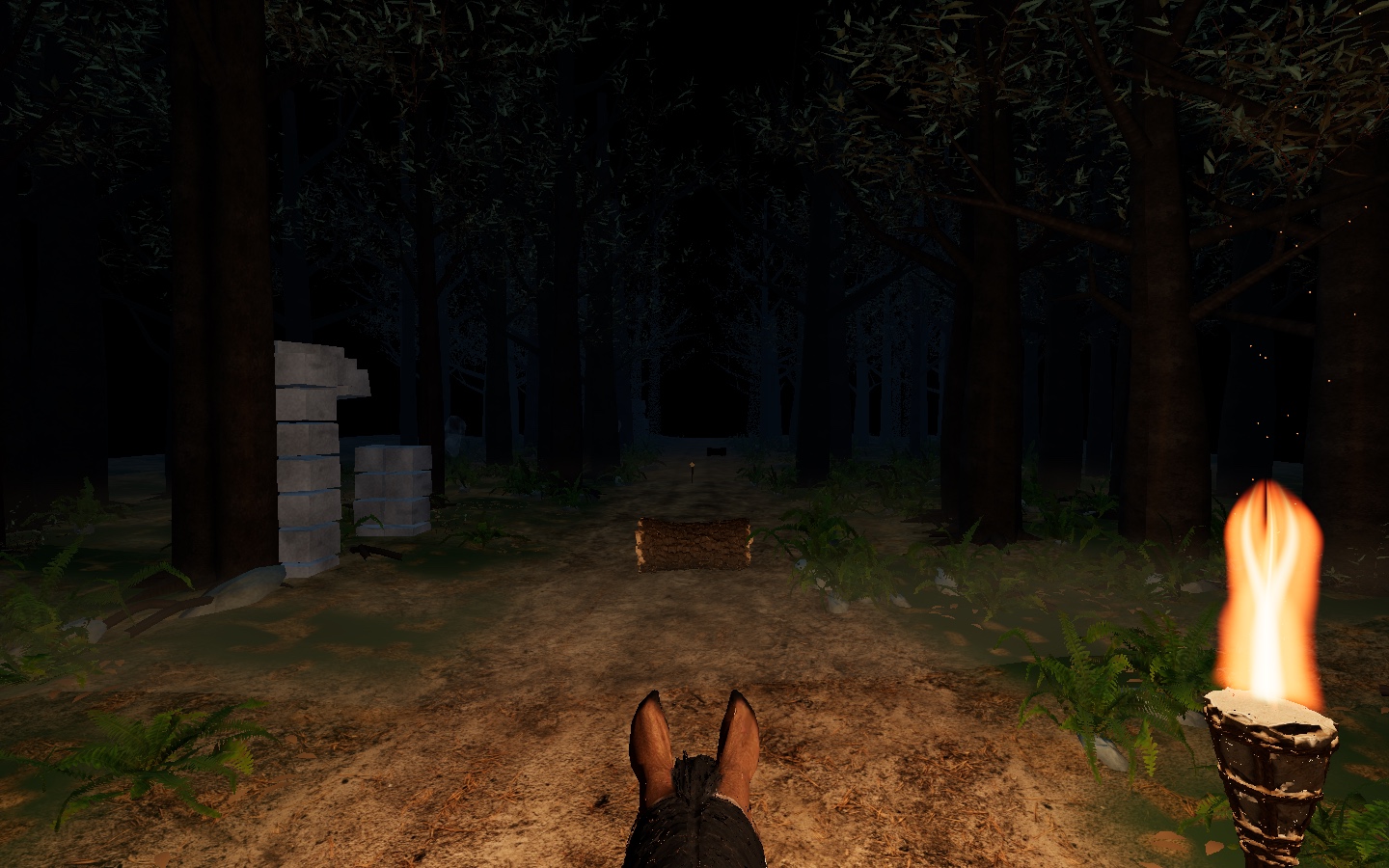
The forest needed more than trees around a dark road. Lower crowns, roots, ferns, fallen limbs and leaf litter began to connect the ground to the canopy. Small changes in cool light made that detail readable beside the torch.
Earlier diagnostic viewOpen image to inspect the detail ↗First detail pass · v0.5.15Open image to inspect the detail ↗
Atmosphere comes from layers, contact and light working together.
About these captures
The earlier image is a diagnostic view used in the reference investigation. The later capture comes from the preserved first-pass v0.5.15 package. These are historical rendering comparisons; their staged/paused views do not establish earned journey or physical-device acceptance.
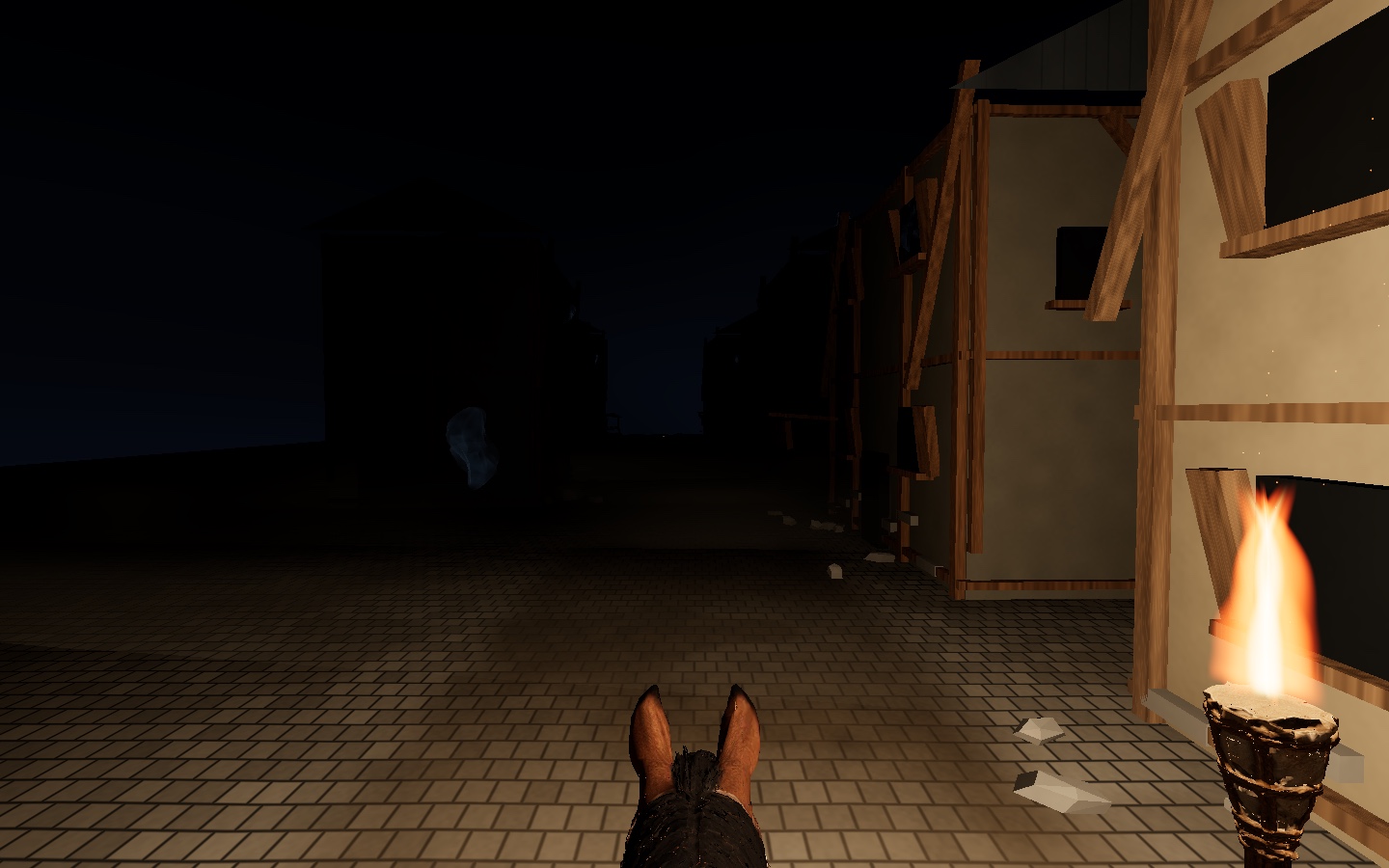
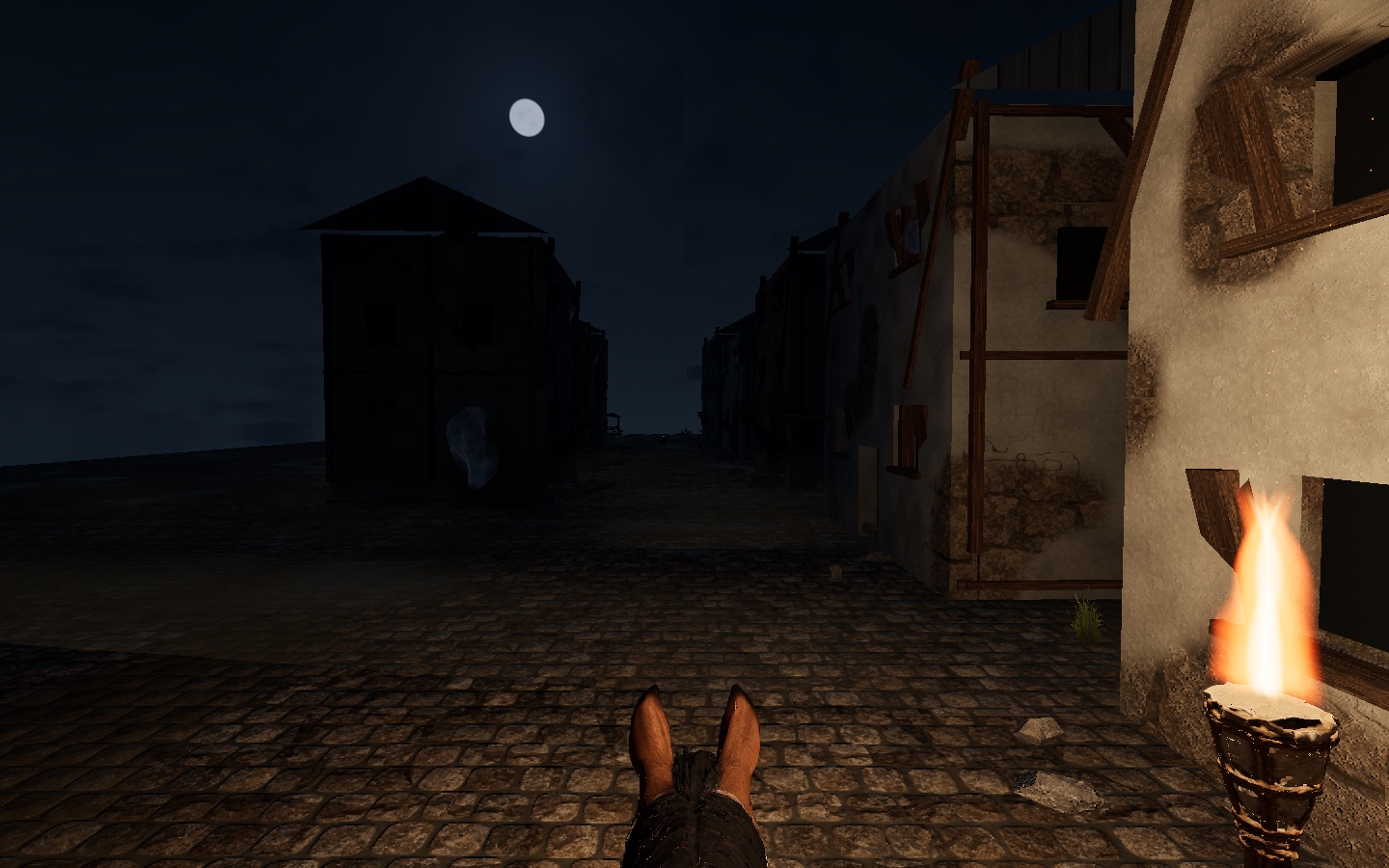
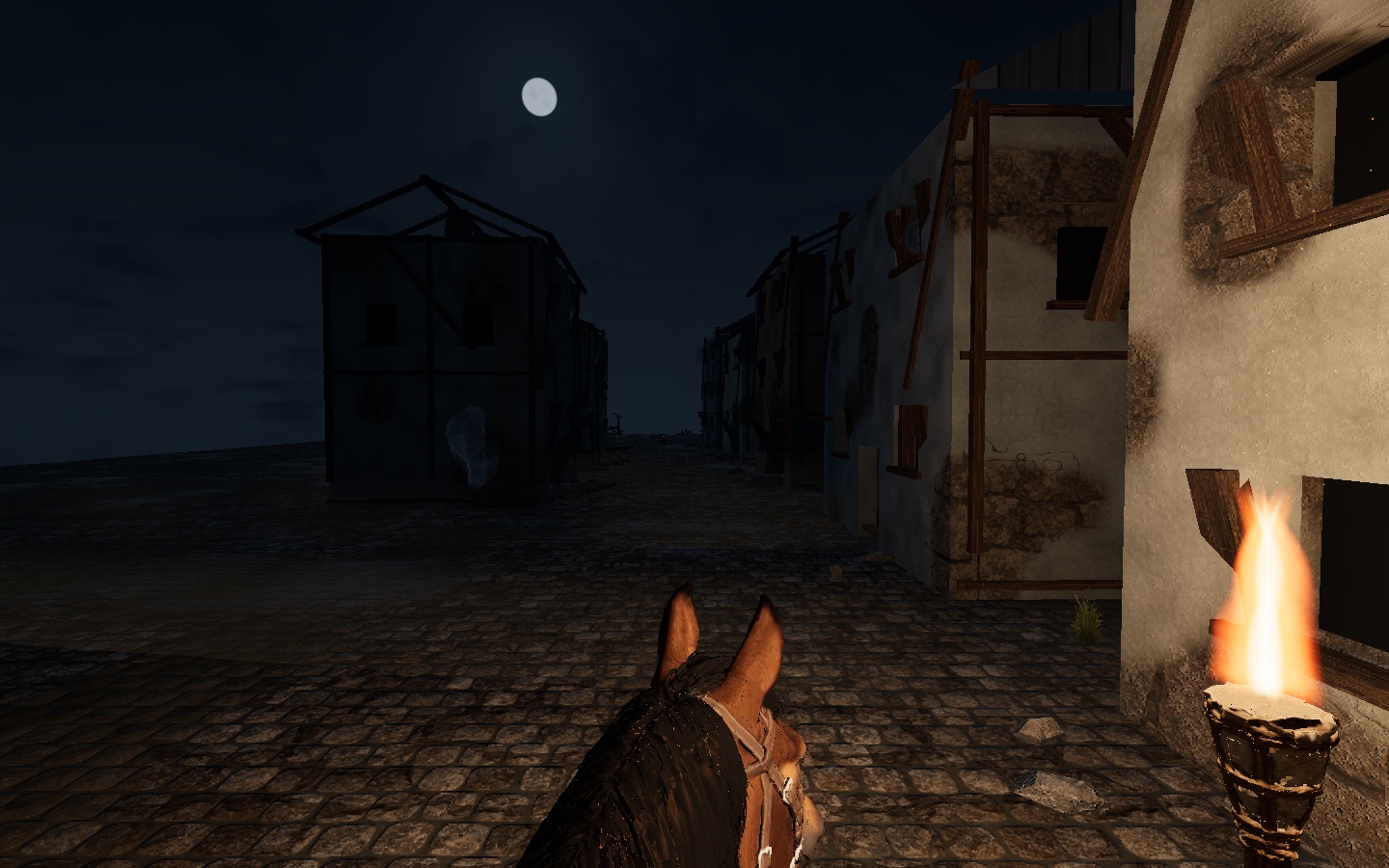
The street moved from simple repeated facades toward worn masonry, recessed openings and damaged rooflines. Another pass removed slate courses, opened gables and exposed timber. The scene became more specific a piece at a time.
Earlier diagnostic viewOpen image to inspect the detail ↗First pass · v0.5.15Open image to inspect the detail ↗Second pass · local candidateOpen image to inspect the detail ↗
The second pass asks different questions from the first.
About these captures
Three preserved stages: an early diagnostic, the published v0.5.15 package, and a separate local second-pass candidate. The viewpoints are not identical, so compare the material and roof treatments rather than treating them as a registered image overlay. The last capture was a local handoff at the time; it was not final art acceptance.
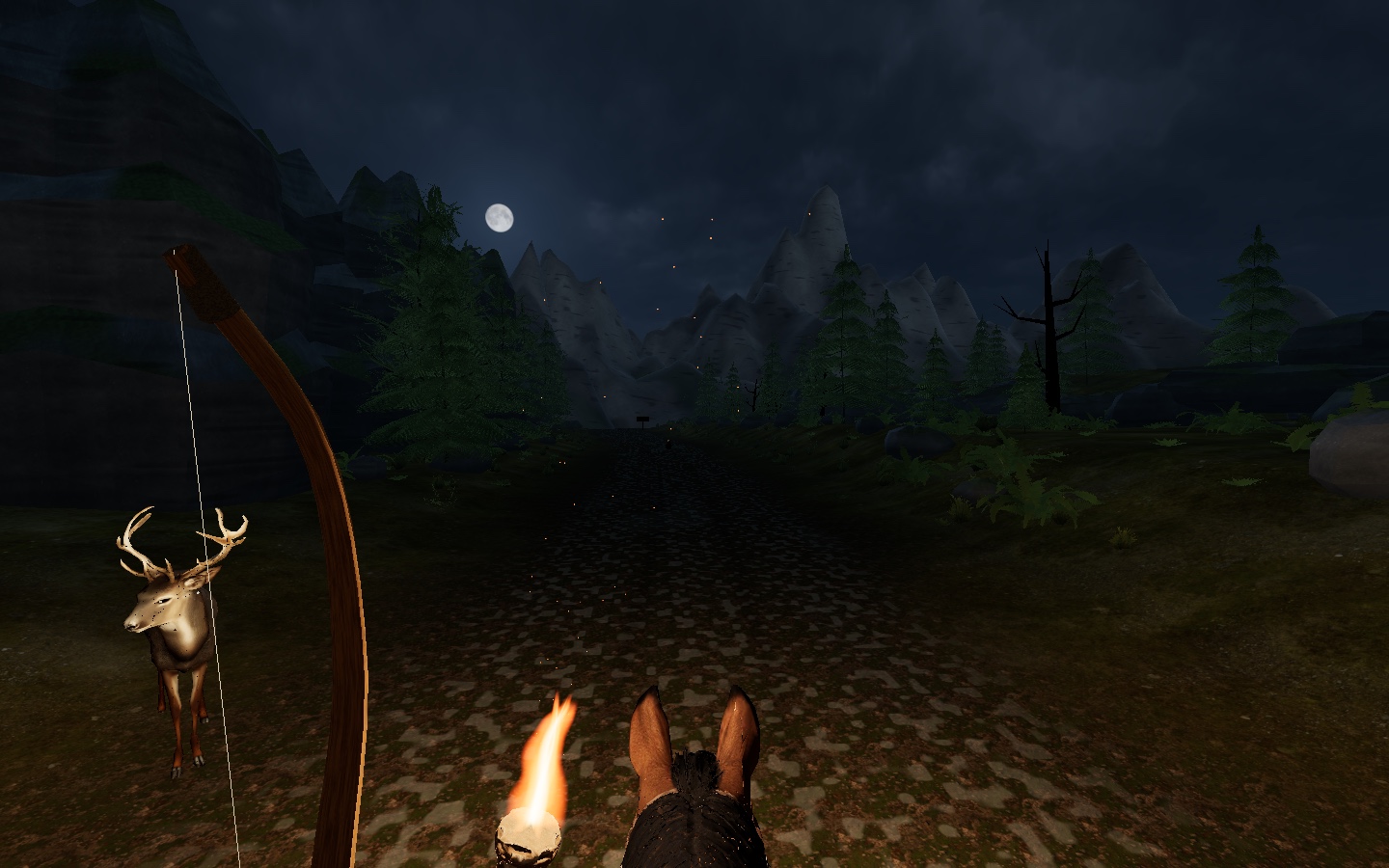
Even after the first scenery improvements, the groves and distant hills still needed work. The next upland pass gave boughs a less regular shape, refined the stone and placed small evergreen silhouettes into the foothills.
Earlier pass · v0.5.19Open image to inspect the detail ↗Later pass · v0.5.20Open image to inspect the detail ↗
Progress often lives in the silhouette and the middle distance.
About these captures
Matched archived desktop views from the v0.5.19 and v0.5.20 packages, at the gallery’s moment 3. The work retained the cool night palette and open riding route. The production notes still called for richer mature trees, larger continuous rock formations and more convincing ground transitions.
The mountain work kept returning to the same problem: cliffs that felt too rounded or too evenly striped. Tilted ledges, irregular bedding and restrained stone grain made the surfaces less uniform while leaving the route and wildlife readable.
Earlier pass · v0.5.19Open image to inspect the detail ↗Later pass · v0.5.20Open image to inspect the detail ↗
More detail helps when it supports the larger shapes.
About these captures
Matched v0.5.19/v0.5.20 desktop captures at moment 3. Earlier trials with regular stripes and clay-like surfaces were rejected in the preceding upland study. The saved comparison is a later improvement, not a claim that the complete reference target had been reached.
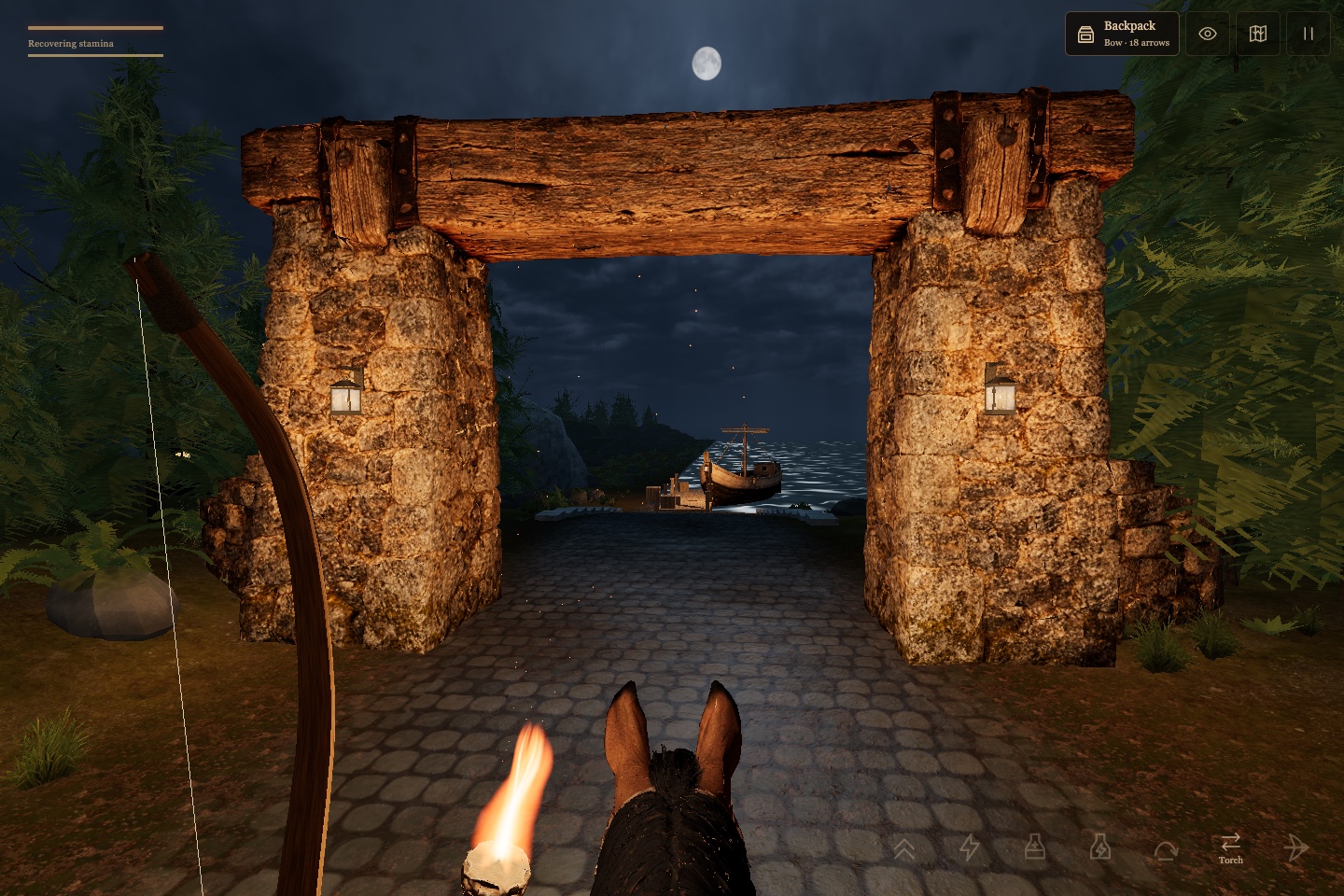
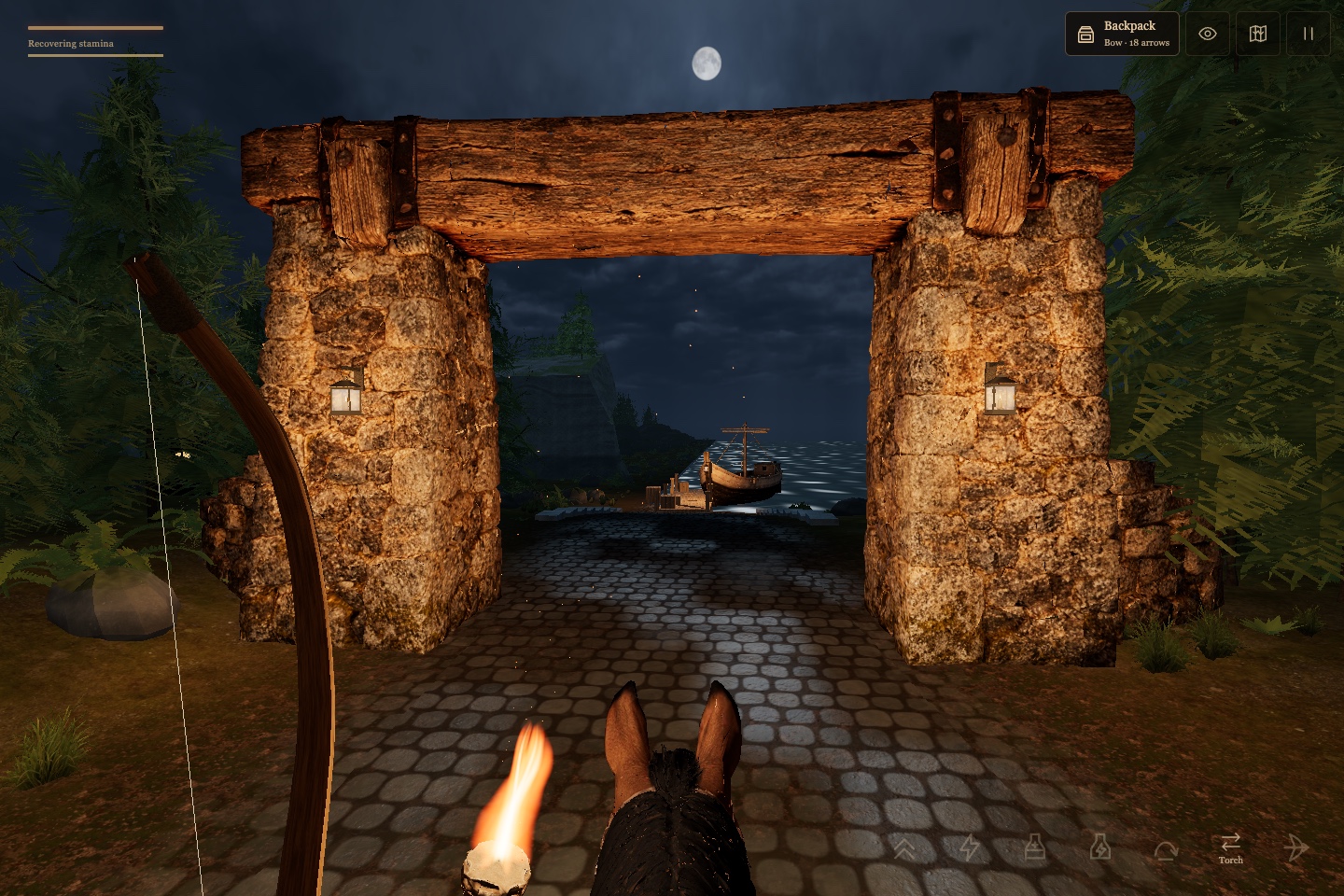
The mountain gate became part of a continuous descent toward a recognizable harbor. Further work connected the headland, refined the water and wet stone, and kept the same bare-mast boat on approach and arrival.
Bare-mast checkpoint · 985 mOpen image to inspect the detail ↗Later fidelity pass · 985 mOpen image to inspect the detail ↗
A convincing scene includes the handoff to the next one.
About these captures
Two actual local captures at the recorded 985 m approach: the bare-mast checkpoint and the later fidelity pass. The approved direction had changed from a raised sail to furled canvas; both captures retain the chosen boat. The full record separately documents earned arrival, responsive layouts and remaining device limits.
A roof that passes the checks can still need another pass.
At the Rift-to-prison boundary, separate hanging rock forms were replaced by a connected stone canopy. An initial arch trial sat too high to read from the saddle. The revised shape brought the rock into view, but stretched strata, darkness and regular surfaces still needed attention.
Earlier hanging rock formsOpen image to inspect the detail ↗Connected arch study · still unfinishedOpen image to inspect the detail ↗
Technical success and a convincing place are separate judgments.
About these captures
Matched baseline/candidate local arch-study views at Ashen approach 70 m. The review retained an open road and the existing story geometry, while explicitly leaving whole-scene art acceptance open. These are intermediate October 15 captures, not the current public cavern or evidence of finished geology.
A rough first version makes the idea visible. The next pass exposes flat surfaces, repeated shapes or a missing connection. Another pass deals with the parts that still don’t belong.
The work continues through geometry, materials, lighting, performance and the feeling of actually riding through the place. These captures show steps in that process, including local studies that still needed refinement.
A scene improves through many small, connected decisions.
A record of the process.
These are dated archival views, not screenshots of the current live build. Some were staged or paused for comparison. They illustrate rendering changes; they do not establish earned journey, final art approval or physical-device performance. Generated target paintings remain separate from the actual game images shown here.